
The Academy
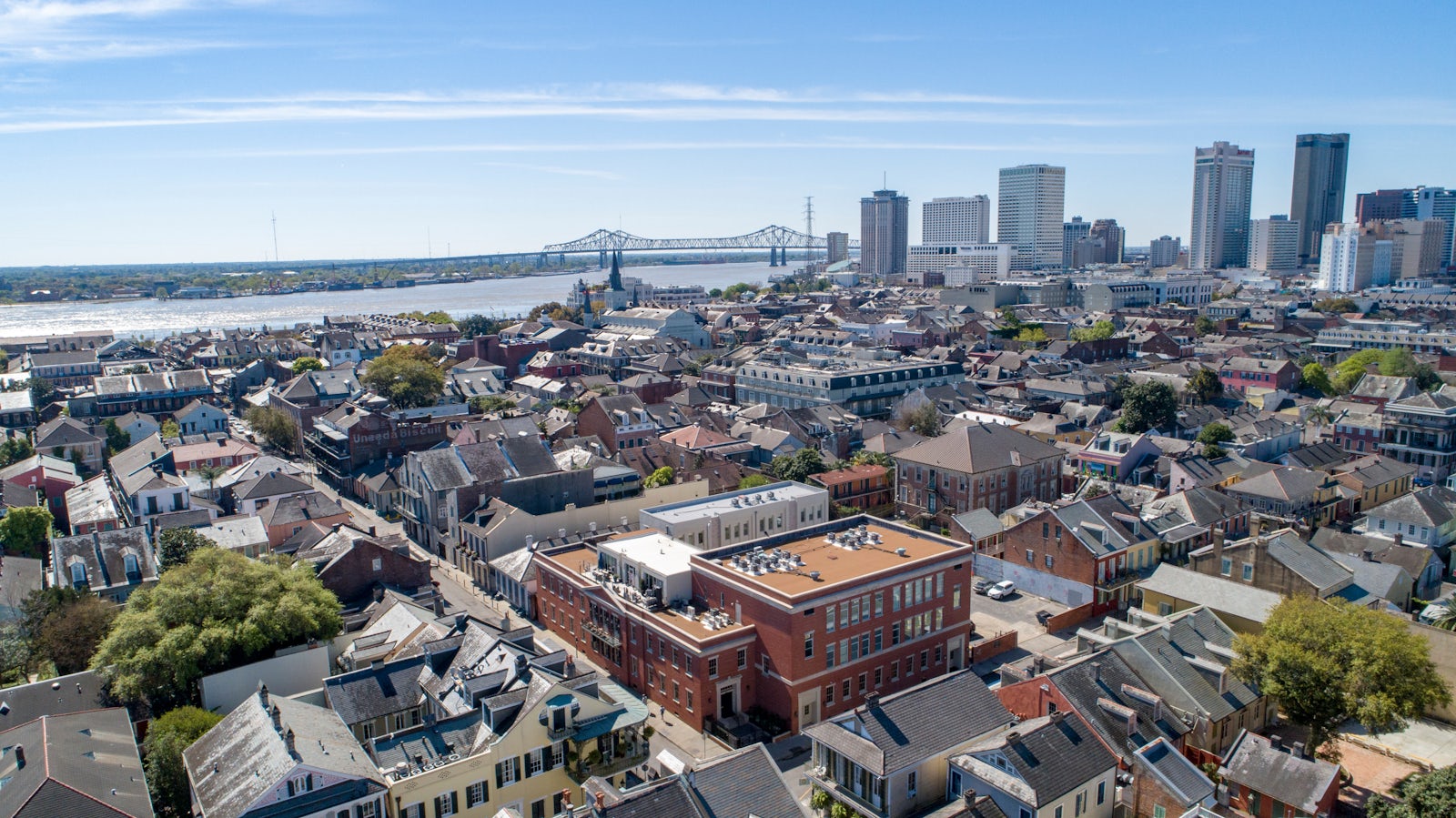
An adaptive-reuse project converted the historic St. Louis Cathedral Academy Parochial School and Convent into modern French Quarter residences.
Category
Living
Adaptive Reuse + Modernization
New Build
Size 22,000 SF
Location New Orleans, LA
Year 2019
Two connected building sections comprise the St. Louis Cathedral Academy Parochial School and Convent, constructed in 1949 to replace the earlier 19th century academy that stood on the site. The style employed by the school’s designers, the architectural firm of Wogan, Bernard and de la Vergne, today is referred to as “French Quarter revival,” a conscious emulation of the 18th and 19th century styles found in this Creole neighborhood’s historic architecture.
Designed to meet tax credit requirements, The Academy was rehabilitated over three phases to include 22 apartments within the existing building and 5 units added in two newly constructed buildings.


Outcome
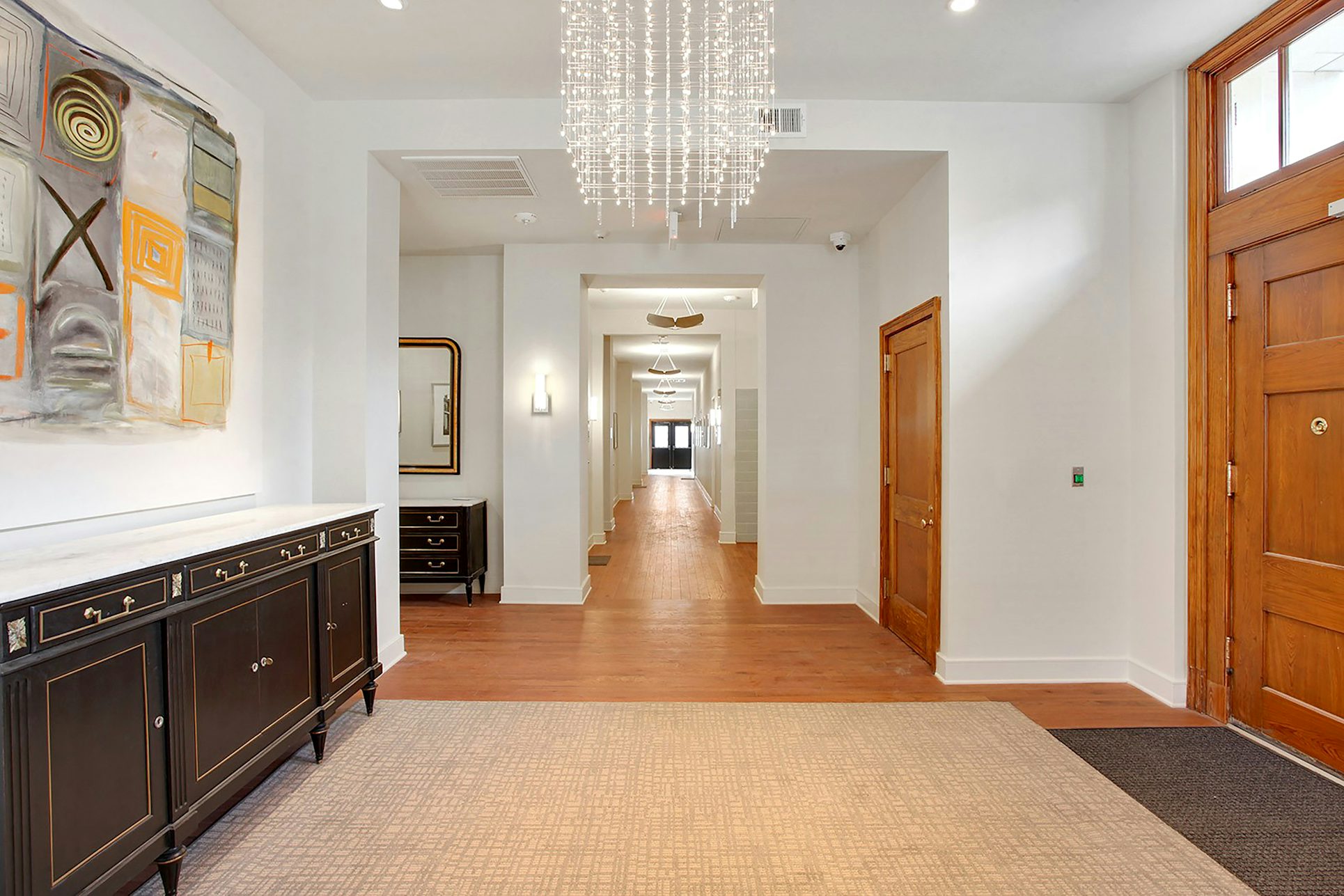
The adaptive reuse of the St. Louis Cathedral Academy Parochial School and Convent breathes new life into a historical landmark, merging modern residential spaces with the French Quarter’s architectural heritage. By preserving original elements like historic doors, transoms, and glazed block walls, the design celebrates the building’s past while adding value through high-quality, resilient structures. New additions, including the penthouse and townhouse units, complement the original architecture with carefully selected materials, creating a cohesive aesthetic. Thoughtful upgrades, such as a stormwater management system and ADA-compliant access, address contemporary standards, enhancing both functionality and accessibility. This project enriches the neighborhood’s character and ensures that a piece of New Orleans history continues to serve its community with relevance and dignity.
The project was broken into three phases:
Phase I included the adaptive reuse of the existing space into modern residences. Historic doors, transoms, and glazed block walls within the school building along with the corridors and historic doors within the convent were restored and incorporated into the design. The glazed block walls, original double doors, handrails and stair and floor finishes were also restored throughout.
For the exterior, these elements include window restoration, cleaning of exterior facade and finishes, repainting the doors and windows, railings, and other elements. Site improvements included 4 private unit courtyards, green spaces, ADA ramp and lift for access to the existing building, new paving and striped parking spaces including ADA parking, and an underground storm water management system that provides the site with the proper drainage per the newly adopted storm water regulations. The storm water management plan, even though designed and completed as part of Phase I, accommodates all 3 phases.
Phase II included an addition to the existing building with one unit - a penthouse located on the roof of the second-floor portion, along with a private roof deck located south of the penthouse and a public roof deck located west of the penthouse. A contemporary material palette with metal panels and storefront offers contrast, but the form relates directly back to the historic existing building.
Phase III includes a free-standing new construction building with four three-story townhouse units. Each unit includes a two-car garage, a second story living space balcony, and awning covered rear entries. The building height directly relates to the rooftop penthouse addition on the restored building, which acts as a connector between the stair tower of the two-story convent wing and the three-story school wing of the existing historic masonry building. The facades include windows with custom angled casting and trim which directs one’s views towards the rest of the French Quarter and New Orleans’ skyline as a connection back to the city.
The materials of the new structures including Phase I’s courtyards, Phase II, and Phase III are of a consistent palette. Brick hyphens in Phase III new construction are made of the left-over brick taken from the new openings created in the existing historic masonry building and are also the location of the two shared entries along this façade. The stucco picture frame element which surrounds the openings and wraps around the recessed stucco portion of the façade resembles the existing building’s entries along Dauphine.
Historic Photography
Awards
AIA New OrleansAward of Merit, 2018
Louisiana Landmarks SocietyExcellence in Historic Preservation, 2017
AIA Gulf StatesHonor Award, 2017
ABC New Orleans/Bayou ChapterExcellence in Construction, 2016